That the Photo Gods had blessed our 10-day adventure to Lapland was apparent every second of the journey, from the sun’s breakthrough the moment we crossed into the Arctic Circle from Rovaniemi, Finland, through a legitimate Photo Miracle in Alta, Norway.
Along the way, the sun and skies offered up a mutable array of light and form every day, from Finnish lake country to the Norwegian Sea to the Gulf of Finland, where our trip ended at Helsinki.
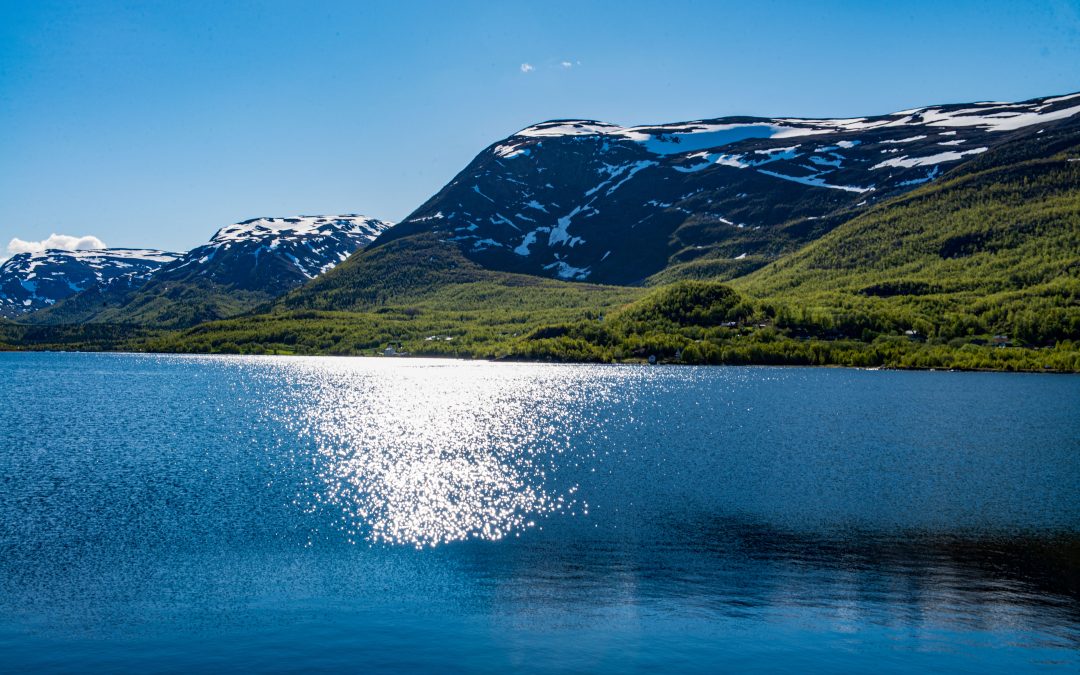
I chose Alta as the ultimate Photo Stop after concluding its 24-mile coastline on the Altafjord would offer abundant opportunities to capture world-class natural beauty in the Midnight Sun – and for the local Sami culture.
“Within minutes from the city center you can experience silence like you never did before,” Visit Alta says. “The sheer magnitude and intense presence of nature leave most of us speechless.”
Another reason for choosing Alta was its status as the northernmost city in the world with 15,000 people.
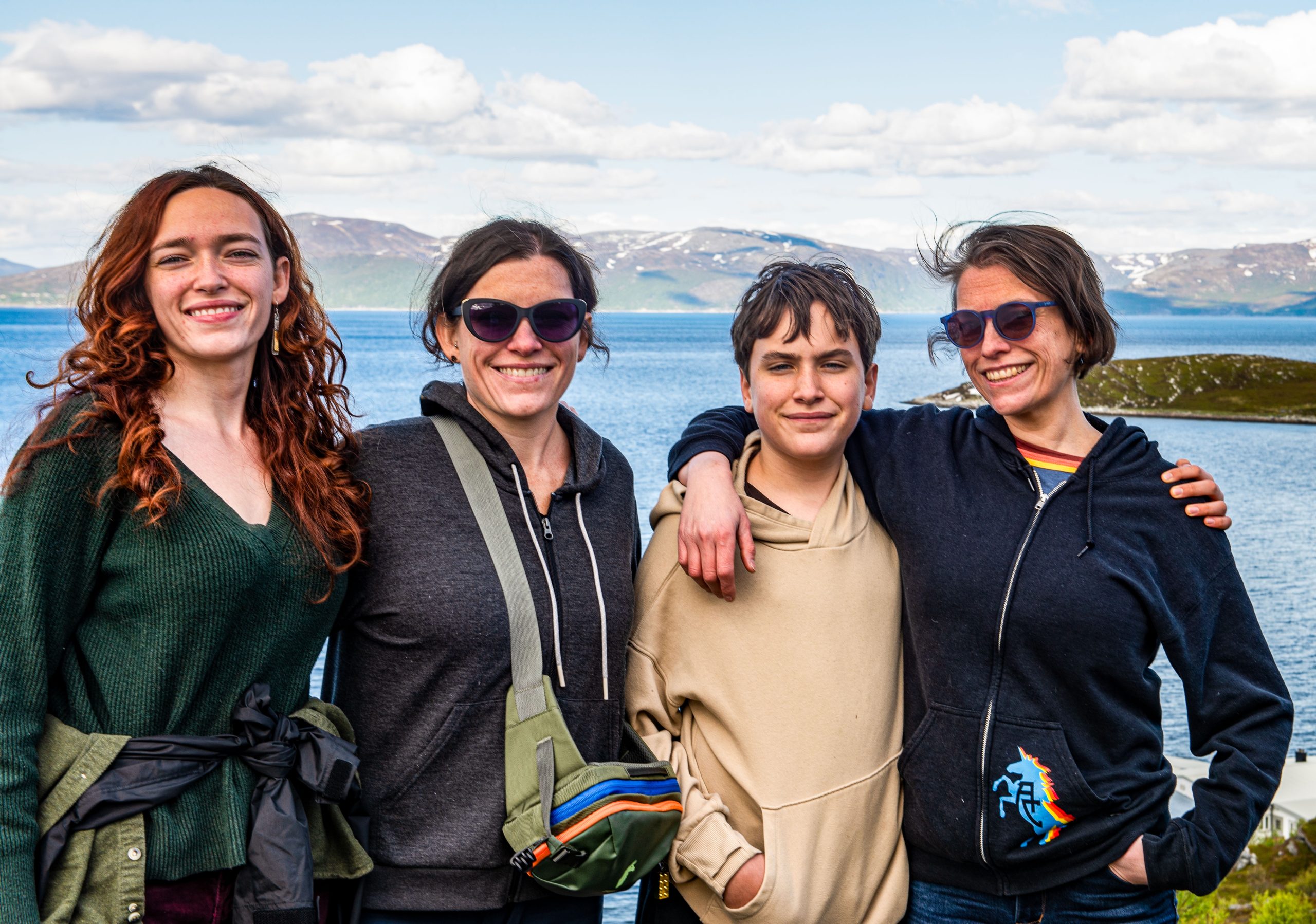
Two years ago, I led my family — Raina, Crystal, Vale, and Jessica — to the Upper Amazon River, where we stayed in a Ticuna Indian village squarely on the earth’s center and figured the only way to top that would be an expedition to the top of the world.
Alta is a couple hundred miles closer to the North Pole than Iceland, and I considered another scenic, 120-mile drive north to Havøysund. But Alta was already a seven-hour road trip from Rovaniemi, by way of Finland’s Pallas-Yllästunturi National Park and Kautokeino, Norway — with three 6-footers and two more getting close in a rented midsize SUV.
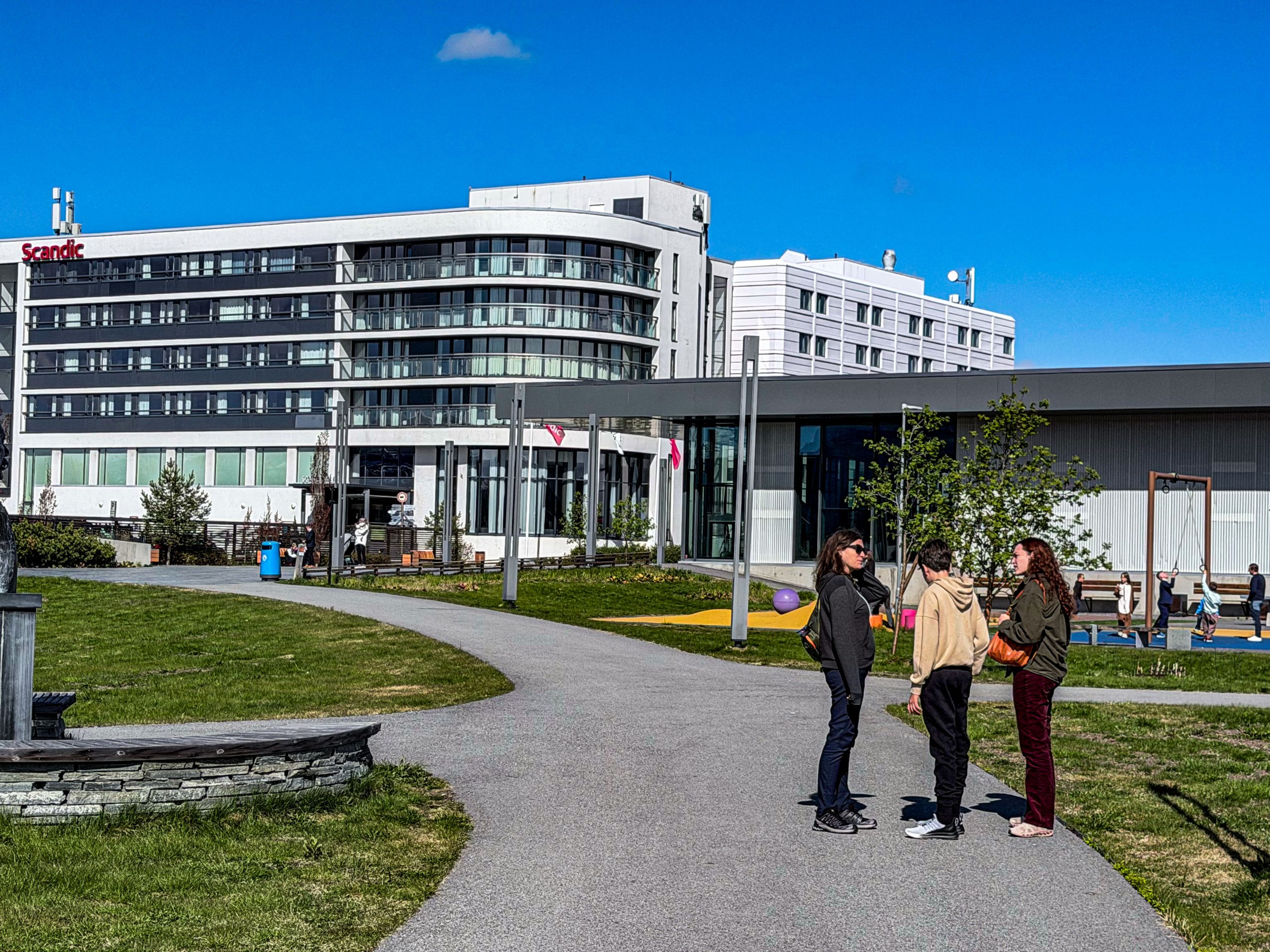
As the great folks at Visit Alta explain, the city offered a range of Arctic culture to immerse ourselves in when we weren’t exploring the fjord, from coffee and pastries at Kaffe Frida and pizza and reindeer at the Mikelli Live pub; to shopping at the Alta Gift Shop and Thon Center Mall; to photographing the magnificent architecture of the Northern Lights Cathedral.
“Today, Alta is a natural hub for the region in terms of transport, knowledge and tourism,” Visit Alta says. “Our cultural heritage is well rooted in the people, and we still live our lives, side by side with nature – on its premises, and with great respect.
“This is Arctic living.”
In addition to being a college graduation present for granddaughter Raina, the trip’s top Photo Priority was photographing the Altafjord.
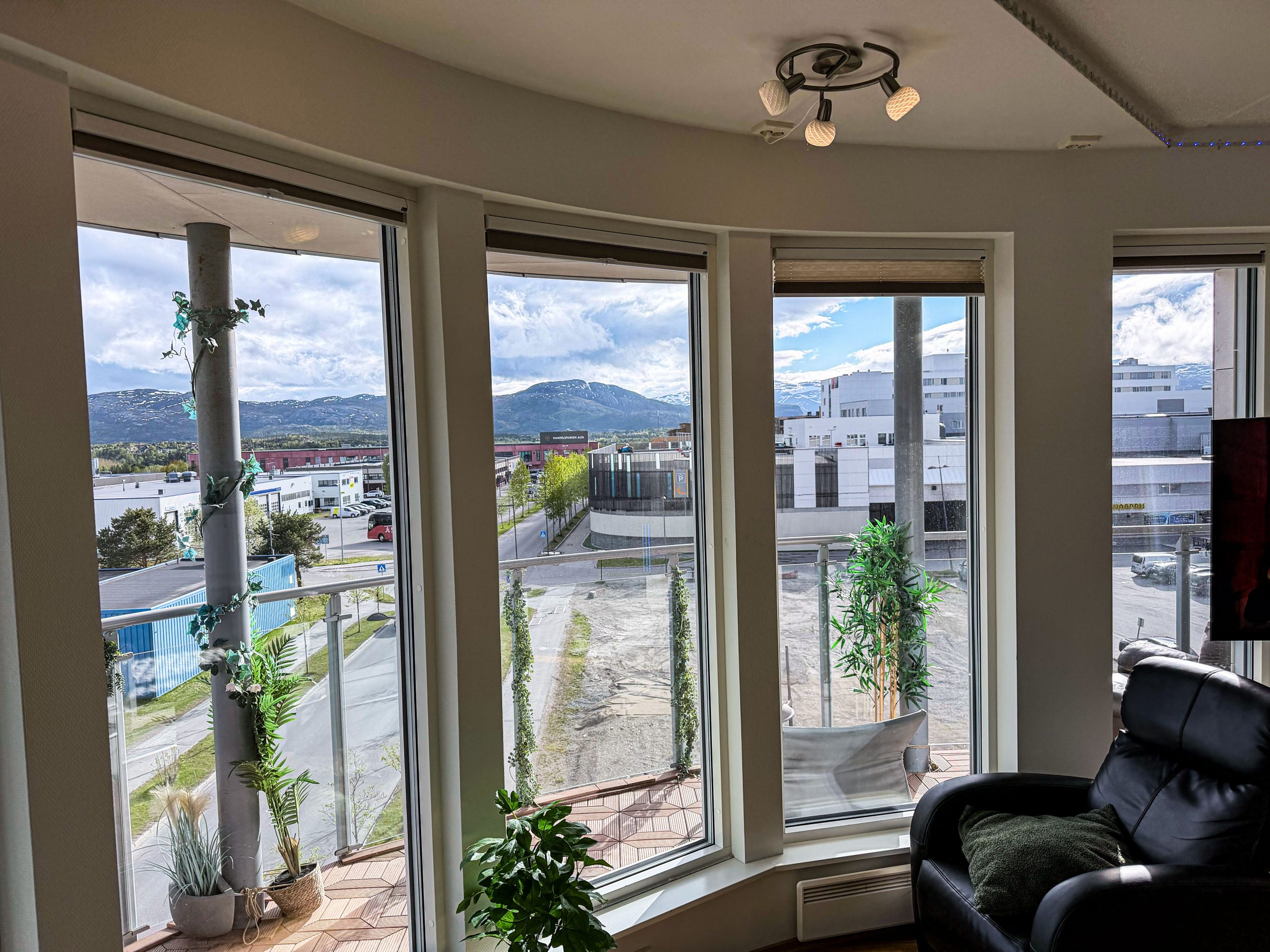
Following a two-hour drive from Kautokeino and a riverside lunch in the wild and natural Alta River Valley, we landed in our downtown Alta penthouse Airbnb, with stunning views of the city and Scandinavian Mountains that, in late May and early June, are drenched in daylight 24-7.
First mission: drive the fjord.

As I note in this Photo Album, the Altafjord is a hidden gem, a Secret Arctic Paradise.
While DuckDuckGo searches produce some beautiful photographs and cruise line offers, Wikipedia offers the only basic information. And all it says is that the fjord splits into two straits at Stjernøya and Seiland islands and was called Altenfjord by British historians through most of the 20th century.
Three tours along the fjord confirmed its visual magnificence, with ever-changing light, color, and perspectives on the water, the sky, and the still-snowcapped Scandinavian Mountains. The last stop was a scenic overlook and military installation called Finnes Batteri north of Talvik and its iconic 1880s church – the village’s only surviving structure after the Germans forcefully evacuated and burned the county in 1944.
That fjord Photo Stop confirmed Visit Alta’s promise that nature’s magnitude and intensity there can leave one “speechless.”
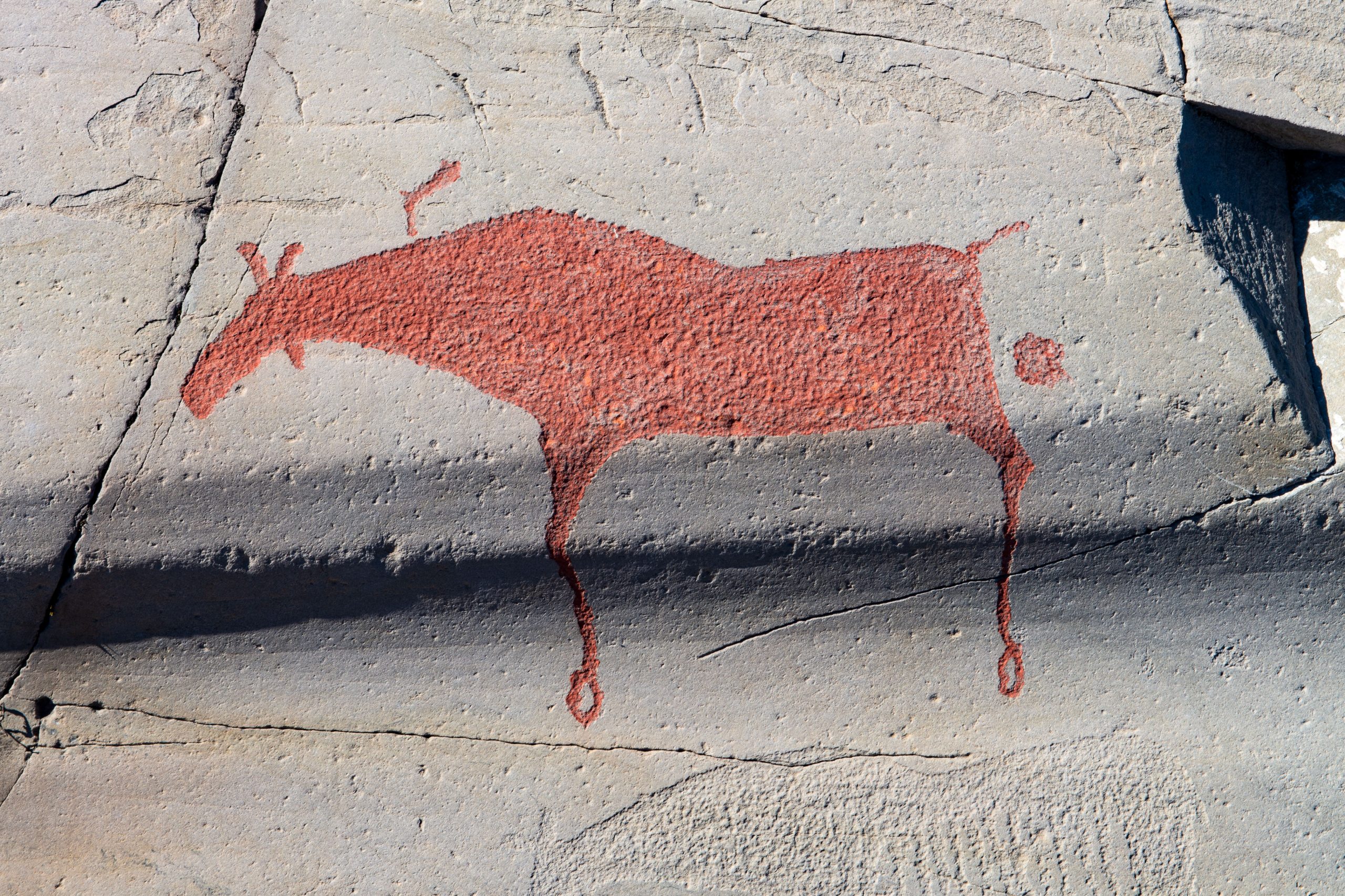
Photo Priority No. 2, photographing 7,000-year-old rock art on the Altafjord, didn’t require even luck. Sunlight would help, of course, but documenting highly contrasted, two-dimensional stone etchings was doable under just about any conditions.
An anthropologist at heart who’s written about hunter-gatherer culture here in the Southern Indiana Uplands, I was drawn to these stone etchings left some 7,000 to 2,000 years ago by peoples who were most likely related to the ones I’ve written about. Both appear to have descended from Paleo-Siberians in Northern and Northeastern Russia.
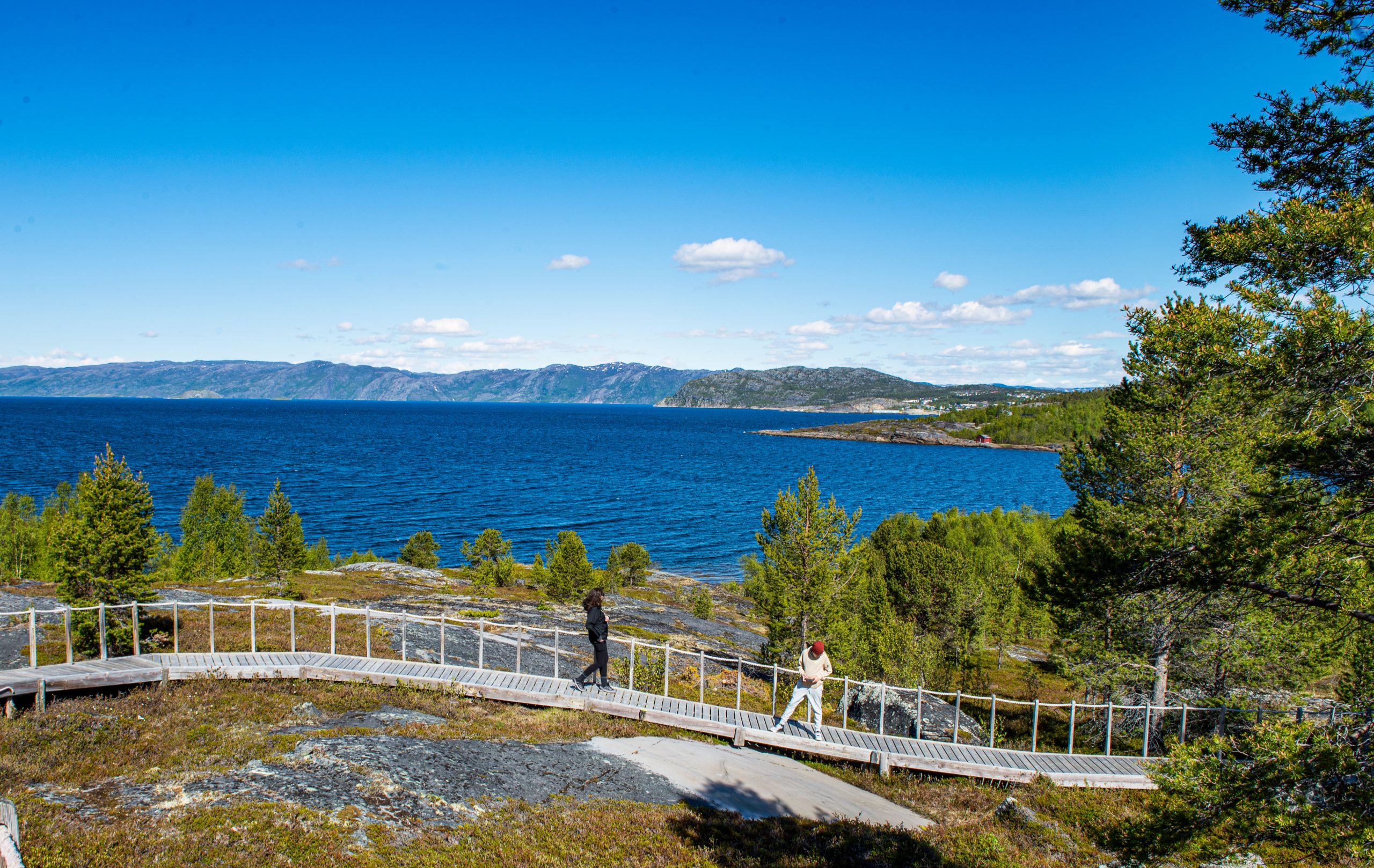
All told, the UNESCO World Heritage Site’s more than 6,000 carvings and paintings in five locations represent one of the world’s most significant collections of prehistoric art. We followed a 2.5-mile trail at the Alta Museum that traverses the oldest, dating between 7,000 to 6,000 years ago.
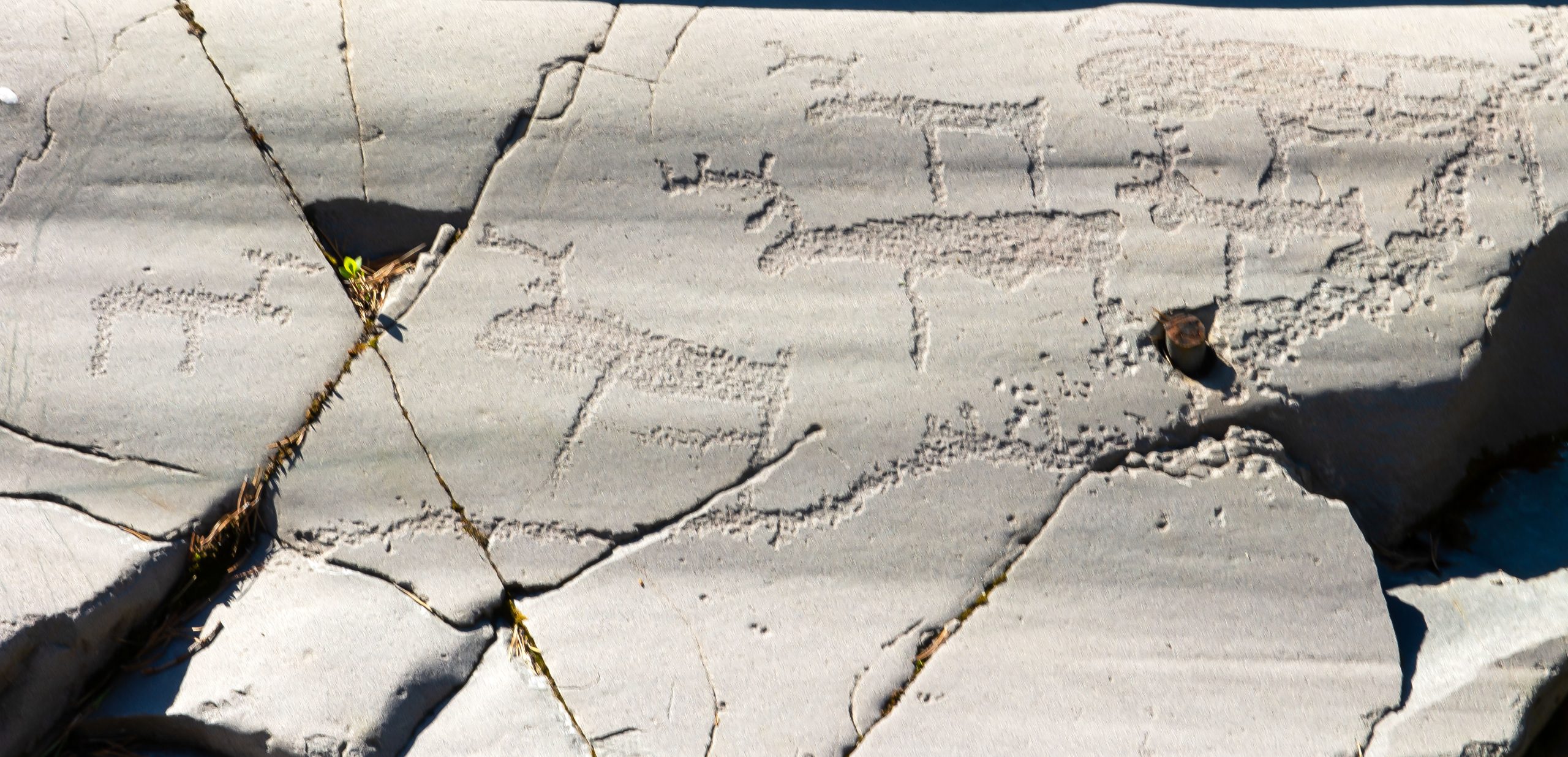
As happened in Southern Indiana, the people at the time were following the melting glaciers, leaving their marks on the Arctic stone as the waters receded and the land rose.
The carvings depict a variety of animals, including elk, reindeer, bears, birds, and fish, as well as scenes of spiritual and daily life, especially hunting and fishing. They were discovered in the 1970s and were painted red to make them more visible. The paint is being removed to protect the rock surface.
On cue, the Photo Gods bathed the carvings and trail vistas overlooking the fjord in sunlight and brilliant blue sky on our last day in Alta.
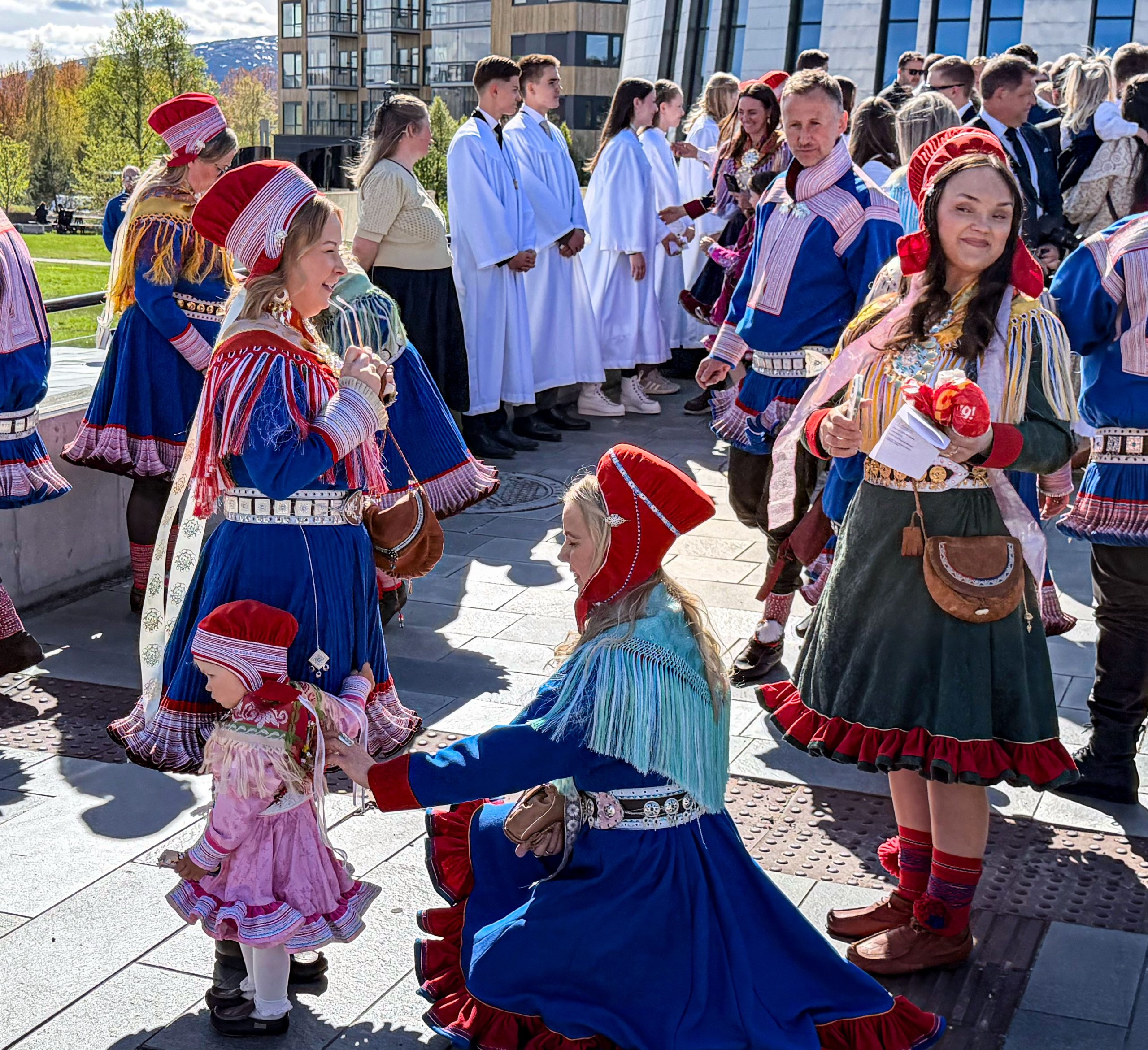
I knew going in that Photo Priority No. 3 – photographing the Sami in their traditional garb in brilliant light – would require a miracle.
Europe’s only indigenous people, the Sami and their ancestors have endured thousands of years in one of the world’s harshest climates. The sun never set when we were in Alta; in six months it will not rise. Our Airbnb Superhost Ivar said temperatures reach -40, which happens to be the same in Celsius and Fahrenheit.
Today, the Sami still dominate Alta and Lapland at large, and some of their culture and traditions survive. Britannica says nine of the 11 native languages are still spoken. But they’ve been subsumed by the Europeans through the centuries, and the odds of encountering a local in anything other than street clothes were nonexistent.
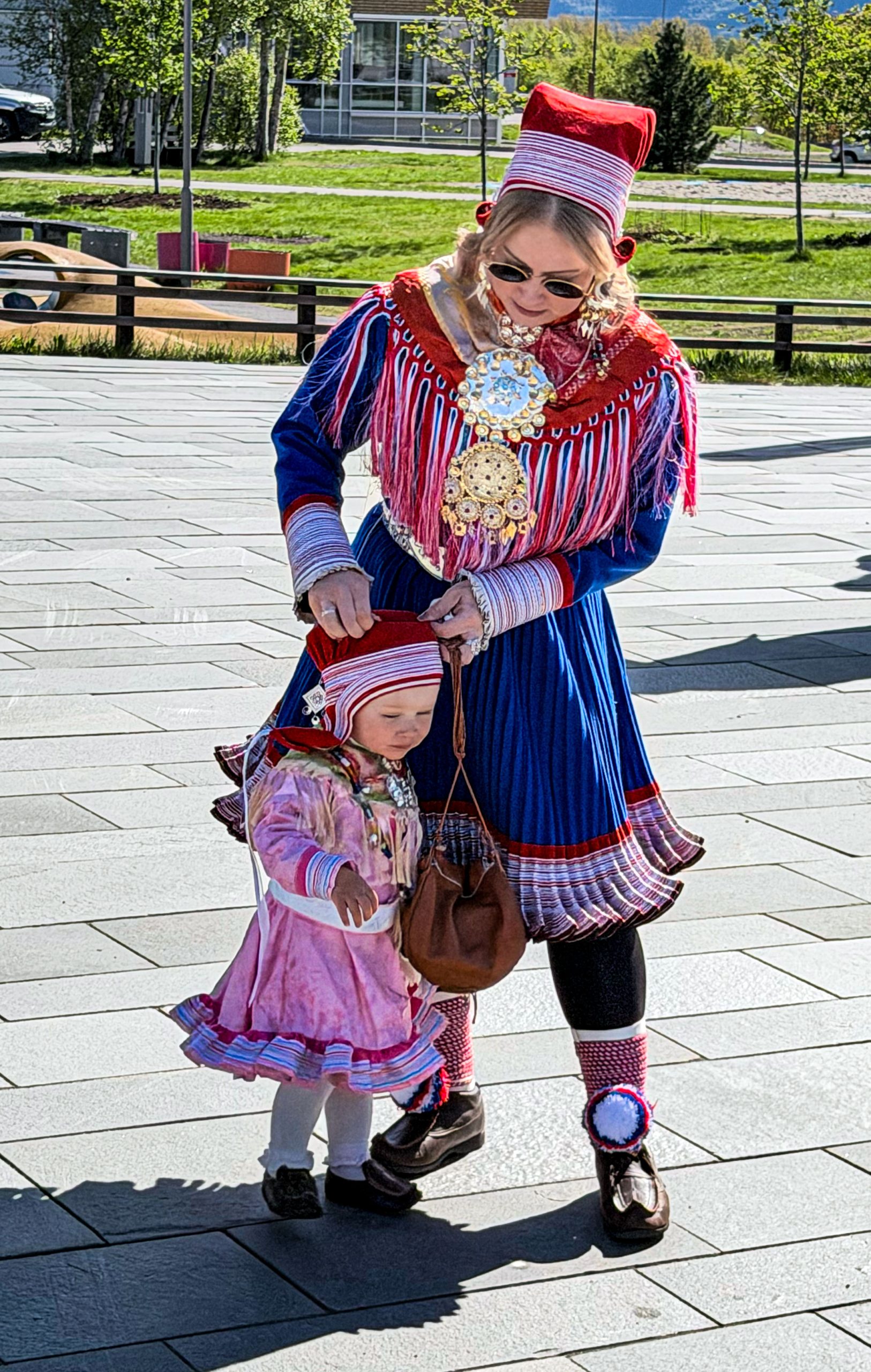
In what seemed like a cruel reminder of that reality, two women dressed in the bright blue and red, highly adorned traditional outfits passed by the Kaffe Frida, where we enjoyed our morning’s first rush.
No longer a newspaperman, in a foreign country, no less, I wasn’t about to chase them down for photos. Instead, I suggested we take photographic advantage of the sun with a short walk across the plaza to the Northern Lights Cathedral, Alta’s signature piece of architecture.
As I snapped some shots of the church’s outside, 14- and 15-year-old Sami youth were inside taking their first step toward adulthood in a confirmation ceremony known as Konfirmasjon in Norwegian.
At its conclusion, the doors swung open, and a literal parade of Sami in their traditional wear filled the church steps and sidewalk. I blended right in with everyone else capturing this special moment in their lives.
I considered that a Photo Miracle, courtesy of smiling Photo Gods.