To connect any dots between Southern Indiana and Northern Finland where we will be in six weeks, I had to trace back through 25,000 years of human history, give or take a few millennia.
When we drive in May along the Swedish border from Rovaniemi, Finland, to Alta, Norway, we will be in Lapland, the land of the Sami, Europe’s only indigenous population. At the Alta Museum, we’ll stand before rock art created by their Middle Stone Age ancestors some 7,000 years ago.
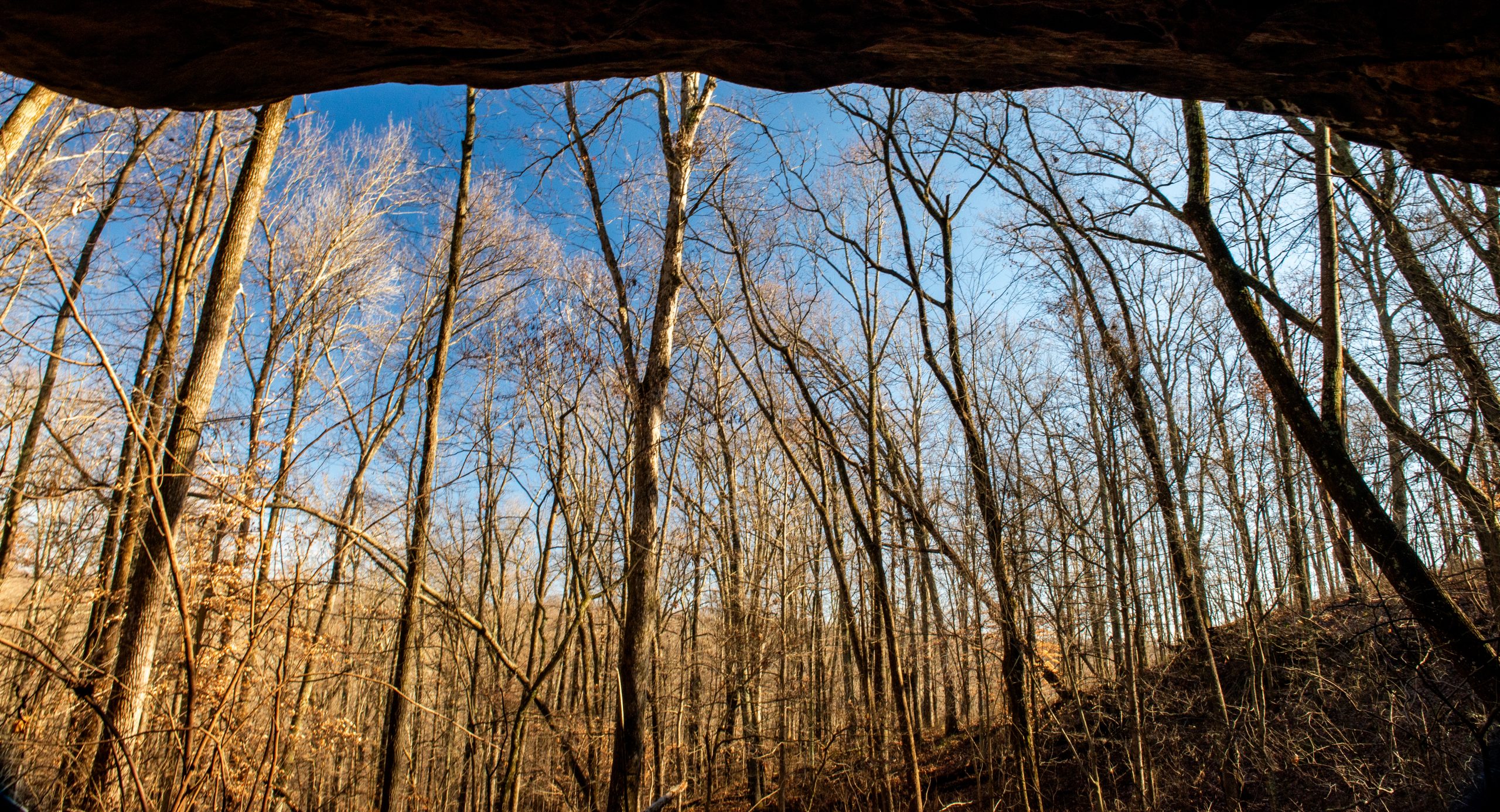
When I photographed the Rockhouse Hollow rock shelter in the Hoosier National Forest just up canyon from the Ohio River, I captured a scene that archaeologists say hunters and gatherers — who appear to be distant cousins to those original Scandinavian Laplanders — witnessed at that same time.

Archaeology suggests the Sami and Native North Americans have historical connections beyond their nomadic hunter-gatherer lifestyles and portable, hide-covered dwellings, a.k.a. teepees.
Both are believed to have descended from Paleo-Siberian peoples of Northern and Northeastern Siberia some 23,000 years ago. The Samis’ ancestors migrated west to today’s Lapland 10,000 years ago; the Native Americans’ migrated east across the Bering Strait, reaching the Ohio Valley at roughly the same time.
Indeed, an undated post from the University of California-Riverside with a 2020 reference declares: DNA Studies Reveal Close Ancestry of Some Native American Tribes with Peoples of Siberia.
Whether they share DNA or not, the archaeological fact is: Middle Stone Age hunters and gatherers followed melting glaciers four thousand miles apart and landed at Rockhouse Hollow and Alta at roughly the same time.
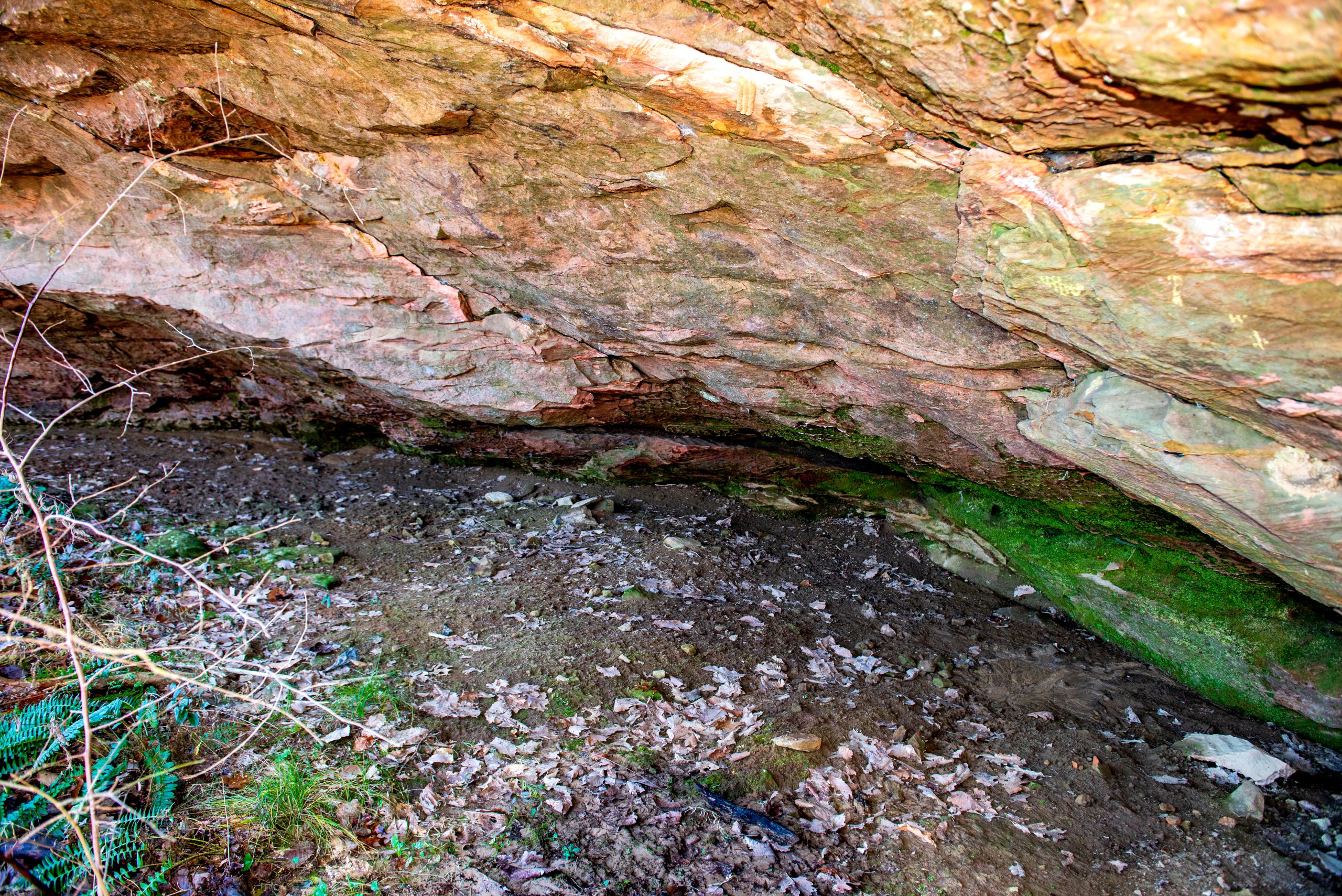
A 1961 excavation at the Hoosier National’s Rockhouse Hollow Shelter by Indiana’s first State Archaeologist Glenn A. Black produced evidence of use during the Early Archaic period, between 10,000 and 8,000 BCE.
“While no bones of Ice Age animals or other remains were found to indicate the age of the early deposits, the results of the excavations prove that the rockshelter was open for occupation and accumulating sediments during this time,” Indiana University Archaeologist Noel D. Justice wrote in Looking at Prehistory: Indiana’s Hoosier National Forest Region, 12,000 BC to 1650.
Artifacts discovered there by IU Archaeologist James Kellar include projectile points from the Middle Archaic Period, 6,000 to 4,000 BC, when the climate experienced its greatest warming.
Rockhouse Hollow is listed as a National Register of Historic Places for its archaeological significance.
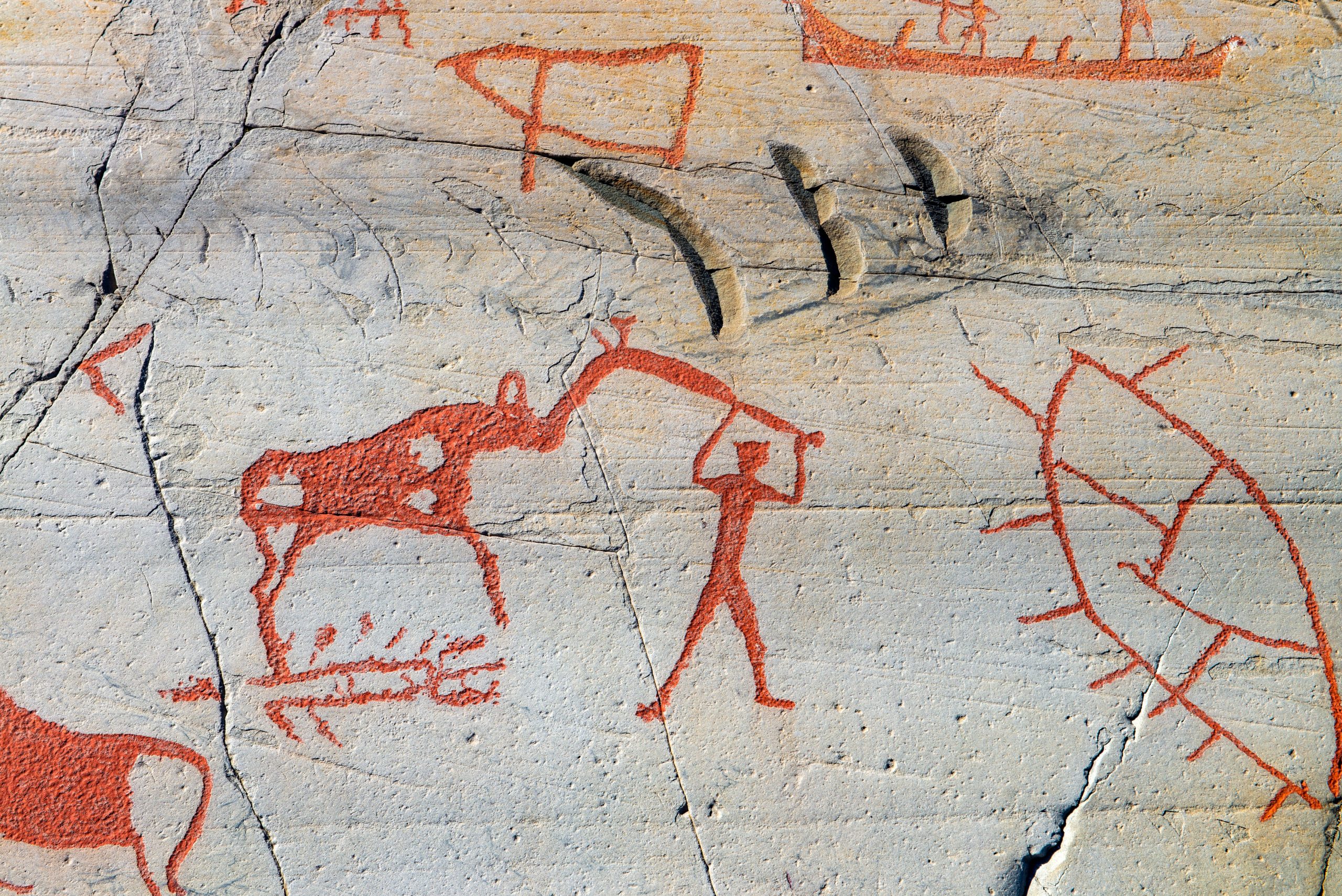
At the same time Early and Middle Archaic peoples were fashioning Southern Indiana stone into arrowheads at Rockhouse Hollow to hunt American bison, the Samis’ ancestors were hunting reindeer and elk in Fenno-Scandia, later known as Lapland.
They arrived in the region some10,000 years ago and were leaving behind rock carvings and rock paintings in Alta between 7,000 and 2,000 years ago.
The Alta work is the largest concentration of hunter-gatherer rock art in Northern Europe and was designated a UNESCO World Heritage List in 1985, the only prehistoric monument in Norway. It depicts scenes of people and animals in activities such as hunting, trapping, fishing, rituals, and communication.
“The rock art in Alta is an important archaeological source of material, which gives us a unique insight into people’s thoughts and rituals, social organisation, technology and use of resources,” the Alta Museum says. “… Rock art gives us an insight into real-life events, myths and legends.”
It could be argued it also connects distant dots.